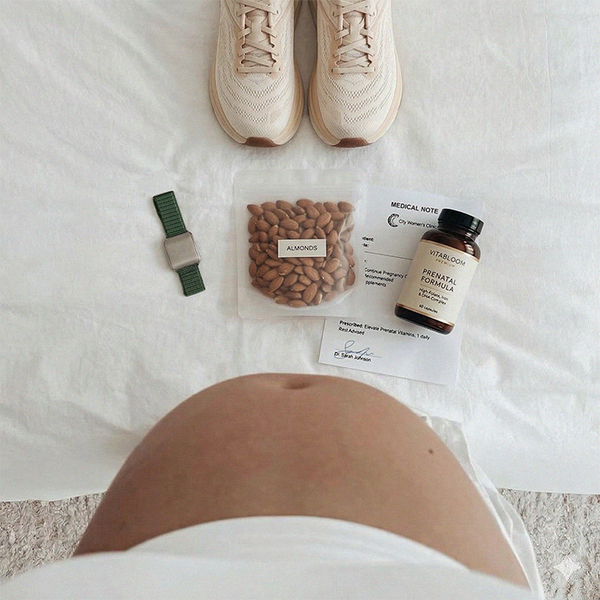
You’ve tried the ginger tea. You’ve tried the peppermint. Someone on a forum told you to sniff a lemon. And you’re still here, searching, because the nausea hasn’t stopped and you’d rather not add another medication to whatever is already causing it.
That instinct is reasonable. Whether your nausea comes from a GLP-1 medication (see our first month on a GLP-1 guide), pregnancy, motion sickness, anxiety, or a chronic condition, the desire for drug-free management is valid — and there are options with genuine evidence behind them. The problem is separating the evidence-backed approaches from the wellness noise.
This guide covers what actually works, what has partial evidence, and what has none — with enough specificity that you can make informed decisions rather than guessing.
The Evidence Hierarchy
Not all natural remedies carry the same weight of evidence. Before diving into specific options, understanding the tiers helps you calibrate your expectations.
Strong evidence means multiple randomized controlled trials, systematic reviews, and consistent results across populations. Moderate evidence means some clinical trials with positive results, but smaller sample sizes or less consistency. Anecdotal means real people report it works, but clinical evidence is limited or absent. None of these categories mean “definitely works” or “definitely doesn’t.” They describe how much we know, not how much is true.
Acupressure at P6 (Strong Evidence)
The most evidence-backed non-pharmaceutical nausea intervention available. The P6 acupressure point on the inner wrist, three finger-widths below the crease, has been studied in over forty peer-reviewed clinical trials across pregnancy nausea, post-operative nausea, chemotherapy-induced nausea, and motion sickness.
The mechanism: P6 sits over the median nerve pathway, which communicates with the vagus nerve. Sustained pressure modulates the neural signaling involved in the nausea response. The evidence consistently shows statistically significant reduction in nausea frequency and severity.
How to use it: press firmly with your thumb for two to three minutes, or wear an acupressure wristband for continuous stimulation. The advantage of a wristband is consistency — it maintains pressure throughout the day without requiring you to actively manage it. The quality of the pressure delivery matters: a broader contact surface that distributes force like a thumb pad provides more effective stimulation than a narrow point-load.
Ginger (Strong to Moderate Evidence)
Ginger is the most-studied herbal remedy for nausea. Clinical trials have demonstrated effectiveness for pregnancy nausea, post-operative nausea, and chemotherapy-induced nausea. The active compounds (gingerols and shogaols) are thought to act on serotonin receptors in the gut.
The catch: dosing matters. Most positive trials used 1–1.5 grams of dried ginger per day. A ginger tea with a few shavings of fresh ginger contains a fraction of this. Ginger chews, capsules, or candied ginger at therapeutic doses are more likely to produce a meaningful effect than ginger-flavored beverages.
Ginger can interact with blood thinners and may not be suitable in large doses during pregnancy (the standard recommendation is no more than 1 gram per day during pregnancy). Check with your healthcare provider if you’re on medication.
Peppermint (Moderate Evidence)
Peppermint aromatherapy — inhaling peppermint essential oil — has moderate evidence for reducing nausea, particularly post-operative nausea. Peppermint tea has less clinical evidence but is widely reported as soothing. The mechanism is thought to involve relaxation of gastric smooth muscle and modulation of the gag reflex.
The practical application: keep peppermint oil on a tissue and inhale during nausea episodes. It’s fast-acting, discreet, and has no known adverse effects. For ongoing nausea management, peppermint is best used as a complement to other approaches rather than a standalone solution.
Dietary Adjustments (Practical Evidence)
The BRAT diet (bananas, rice, applesauce, toast) has been recommended for decades, though formal clinical evidence is limited. What is well-established: small, frequent meals reduce nausea more effectively than large, infrequent ones. An empty stomach amplifies nausea. Heavy, greasy, or richly spiced foods are common triggers.
The practical template: eat something small every two to three hours. Prioritize bland proteins and complex carbohydrates. Stay hydrated — dehydration significantly worsens nausea. Cold and carbonated beverages tend to settle the stomach better than room-temperature fluids for many people.
Vitamin B6 (Moderate Evidence, Pregnancy-Specific)
Vitamin B6 (pyridoxine) has moderate evidence for pregnancy-related nausea specifically.
The American College of Obstetricians and Gynecologists recommends it as a first-line treatment, typically 25mg three times daily. It is often combined with doxylamine (an antihistamine) for enhanced effect, sold as the combination product Diclegis.
For non-pregnancy nausea, the evidence for B6 is limited. This is a pregnancy-specific recommendation.
What Doesn’t Have Strong Evidence
Essential oils other than peppermint (lavender, lemon, chamomile) have minimal clinical evidence for nausea. Homeopathic remedies have not demonstrated efficacy beyond placebo in rigorous trials. Magnetic therapy bracelets should not be confused with acupressure bands — they target different mechanisms and the evidence base is not comparable. Apple cider vinegar, activated charcoal, and most supplements marketed for nausea lack robust clinical support.
This doesn’t mean they don’t work for some individuals. It means the current evidence doesn’t support recommending them broadly. If something helps you and isn’t harmful, that’s your data point. For those considering pharmaceutical alternatives, our Zofran alternatives guide covers the prescription options.
Building Your Personal Protocol
The most effective drug-free nausea management is usually a combination of approaches.
Acupressure provides a continuous baseline of relief. Ginger and peppermint offer acute symptom management. Dietary adjustments prevent triggering episodes. Together, these form a protocol that addresses nausea from multiple angles without pharmaceutical intervention.
The protocol that works for you will be personal. Start with the strongest-evidence options (P6 acupressure and ginger), add secondary approaches based on your response, and give each intervention at least three to five days of consistent use before evaluating.