You’re pregnant and you’re going somewhere. Maybe it’s a babymoon. Maybe it’s a work trip you can’t reschedule. Maybe it’s a family holiday that was booked before the test came back positive. Whatever the reason, you need to pack, and your body has added a dozen requirements to the list that didn’t exist six months ago.
This isn’t a generic packing list with “comfy clothes” and “snacks.” This is the specific, trimester-aware checklist for the woman who wants to travel well, feel prepared, and not discover at 35,000 feet that she forgot the one thing she actually needed.
The Non-Negotiables (Every Trimester)
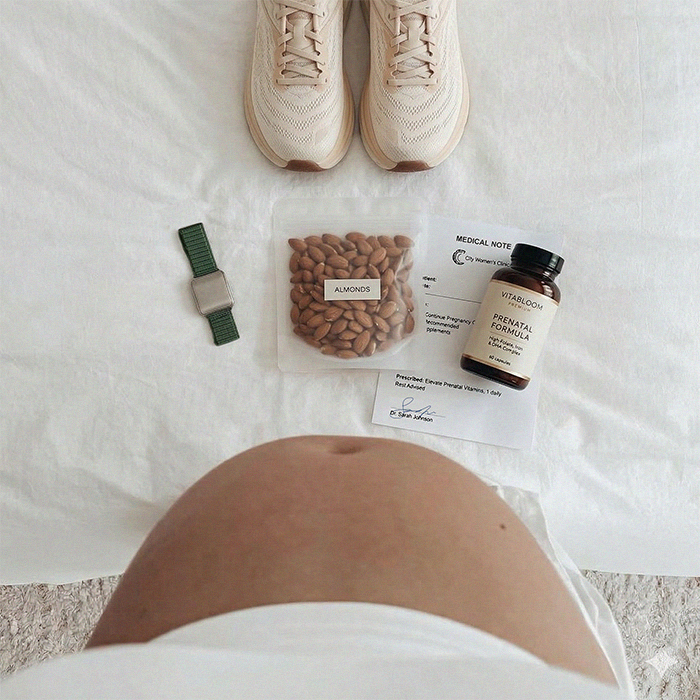
Your prenatal vitamins. Obvious, but easy to forget when you’re packing everything else. Put them in your carry-on in a labelled container. If you take additional supplements (iron, B6 for nausea, omega-3), bring those too. Our Zofran alternatives guide covers additional anti-nausea options worth discussing with your provider before travel.
Medical documentation. A note from your healthcare provider confirming your due date, any complications, and fitness to travel. Most airlines require this after 28 weeks, but having it earlier prevents any questions. Insurance documents with international coverage if applicable.
A copy of your prenatal record. If something happens and you need medical care away from home, having your history accessible makes a significant difference. A photograph of key pages on your phone is sufficient.
Comfortable shoes that accommodate swelling. Your feet may swell during travel even if they haven’t at home — altitude, heat, and prolonged sitting all contribute. Pack shoes with a half-size of give, or ones that expand.
A water bottle. Pregnancy increases your hydration requirements, and dehydration worsens every pregnancy symptom from nausea to headaches to fatigue. Stay ahead of it.
First Trimester Essentials
Nausea management is the priority. Your packing reflects that: An acupressure wristband for continuous P6 stimulation. Put it on before you leave the house. The P6 acupressure point has strong clinical evidence for pregnancy nausea, and a wristband provides hands-free relief throughout travel. If it looks like a piece of jewellery, nobody on the flight, in the hotel, or at the dinner table asks questions.
Ginger chews or lozenges. Pack more than you think you need. Therapeutic doses of ginger (up to 1 gram per day during pregnancy) genuinely help. Have them in your carry-on, your handbag, and your hotel room.
Bland snacks in individually portioned amounts. Crackers, almonds, protein bars, rice cakes. Eating every two to three hours prevents the empty-stomach nausea that’s the first trimester’s signature.
Peppermint oil on a tissue. For smell-triggered nausea — airport food courts, airplane meals, hotel cleaning products. One inhale of peppermint overrides the offending smell.
A toothbrush and toothpaste in your carry-on. If nausea wins, you want to be able to reset.
Second Trimester Essentials
Nausea has typically reduced. Comfort becomes the priority: Compression socks for flights over two hours. Pregnancy increases your risk of deep vein thrombosis, and long periods of sitting amplify that risk. Medical-grade compression socks are the evidence-backed prevention.
A belly band for support during active days. Walking, sightseeing, and exploring put demands on your changing body that are different from daily life at home.
Sunscreen with pregnancy-safe ingredients (mineral-based, zinc oxide or titanium dioxide).
Pregnancy hormones can make skin more sensitive to sun and more prone to melasma.
Third Trimester Essentials
Check airline policies before booking — most require a doctor’s note after 28 weeks and don’t allow travel after 36 weeks (32 for multiples). Domestic versus international rules differ.
Everything from the second trimester list, plus: a pillow for lumbar support on flights and in hotel beds. Antacid tablets if heartburn is an issue (common in third trimester).
Extra-comfortable sleepwear — hotel beds are not your bed, and sleep disruption is already significant.
What to Skip
You don’t need to pack your entire medicine cabinet. You don’t need five different nausea remedies. You need the ones that work for you, in sufficient quantity, in accessible locations.
Over-packing creates its own stress, and stress is the last thing you need added to travel.